

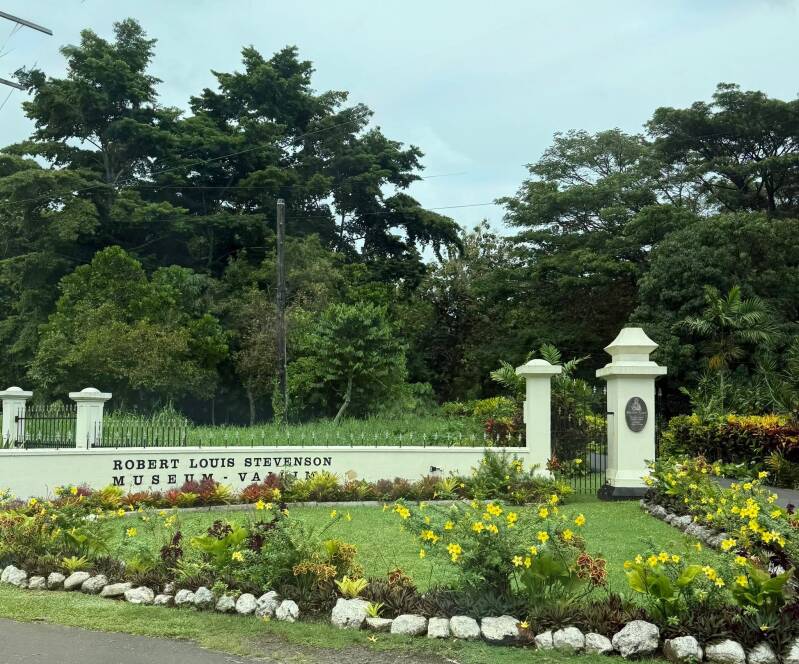
VAILIMA

TUSITALA SAMOA O ROBERT LOUIS STEVENSON


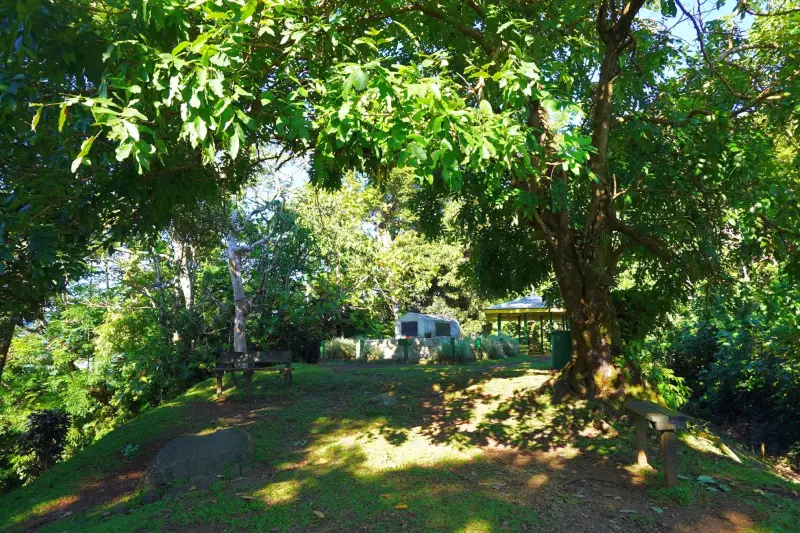
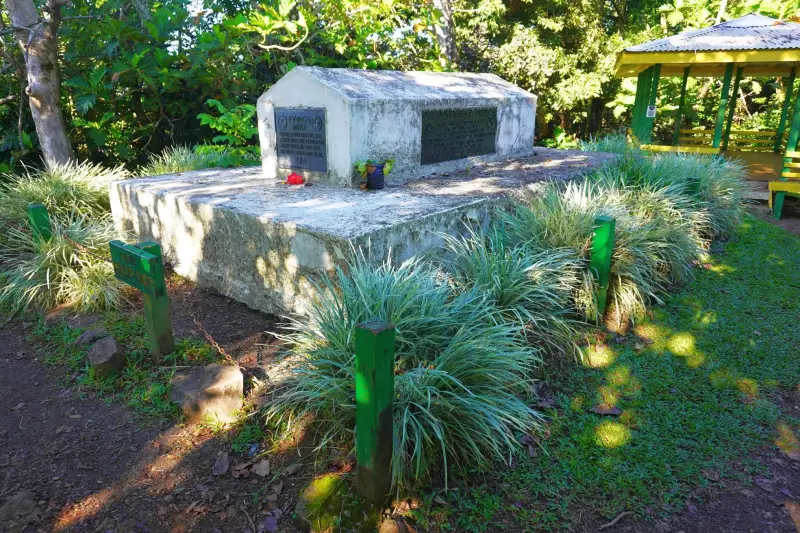
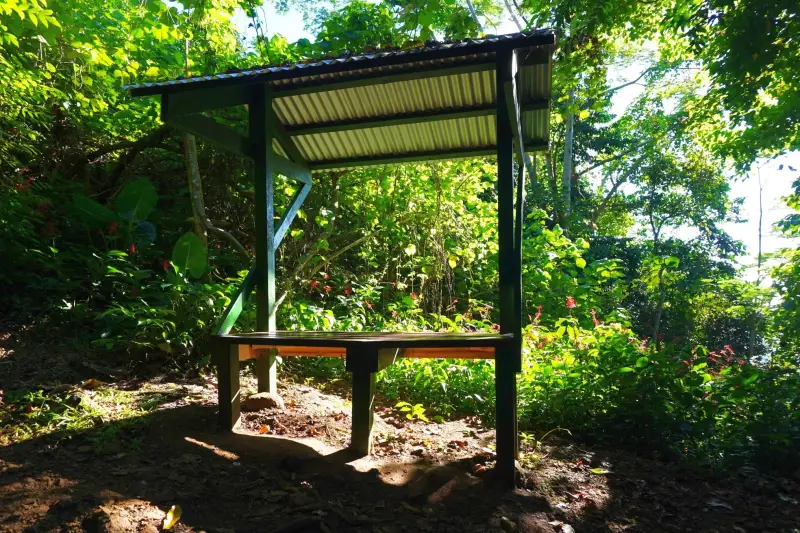
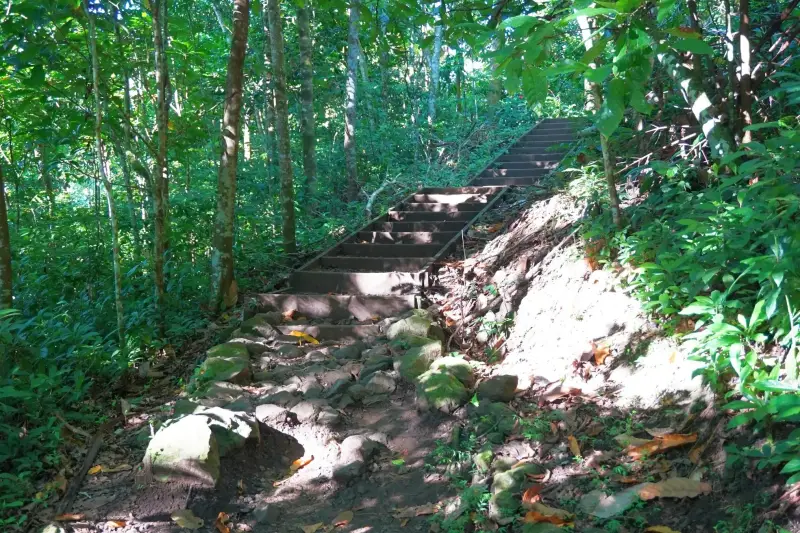
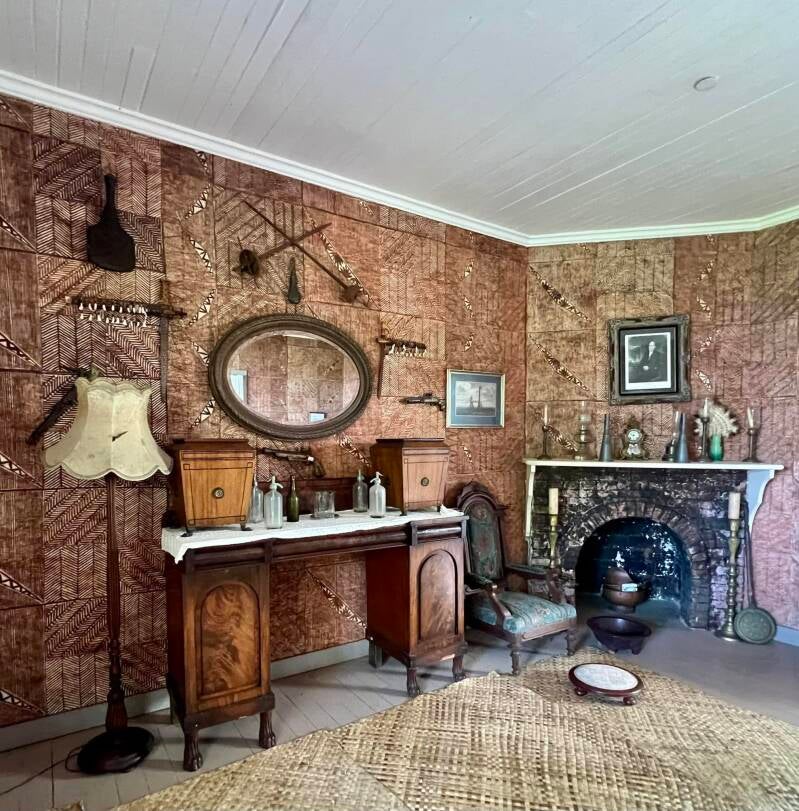
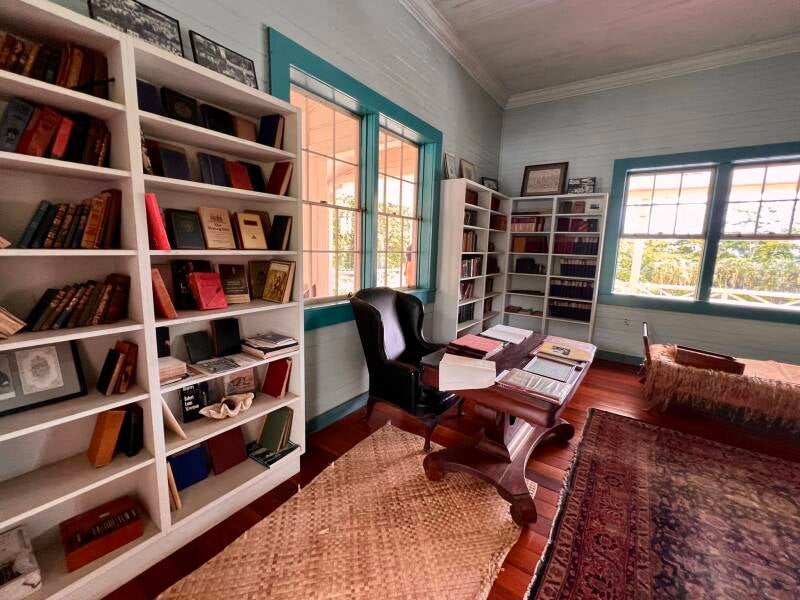
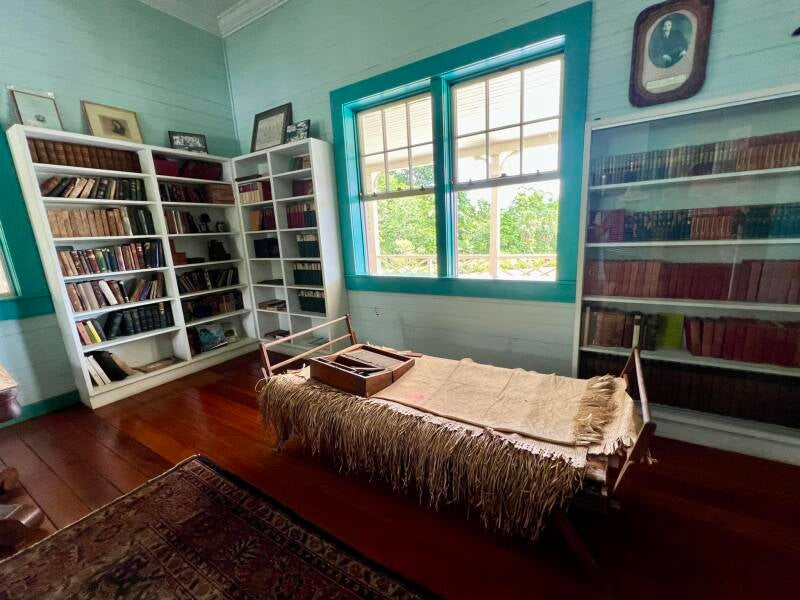
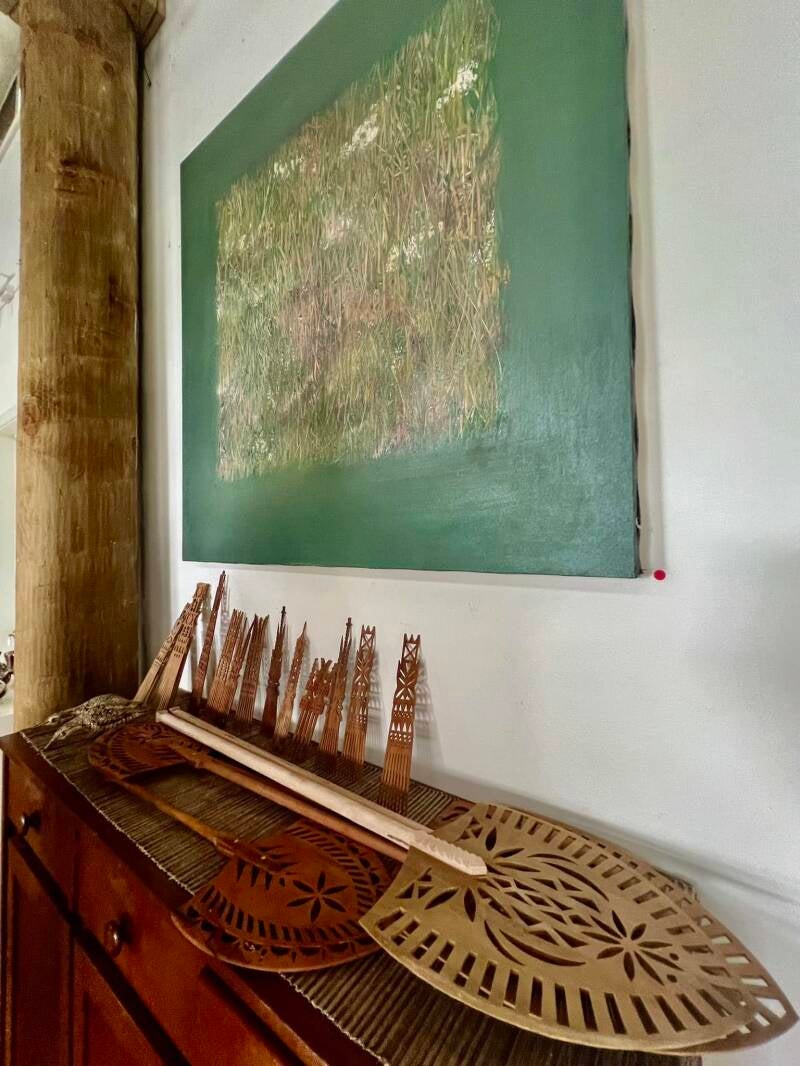
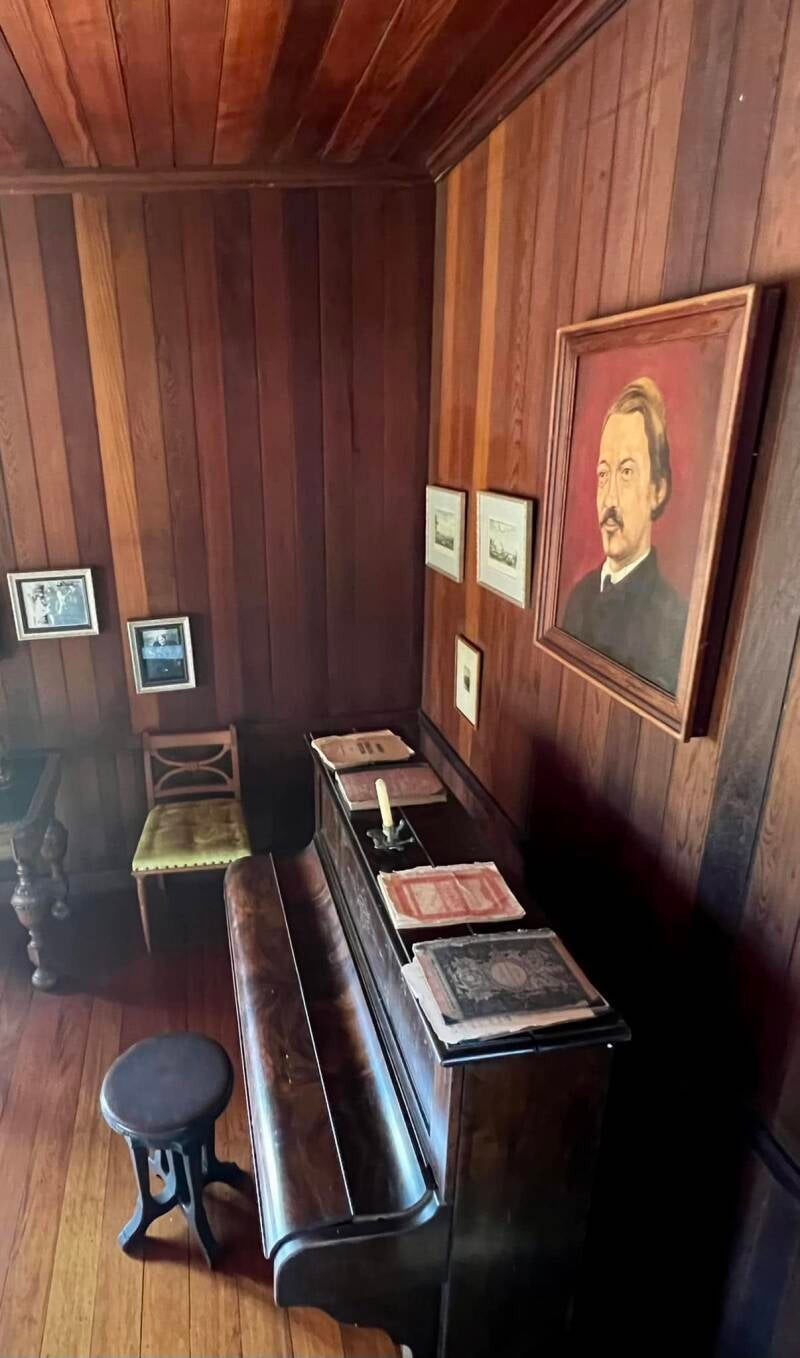
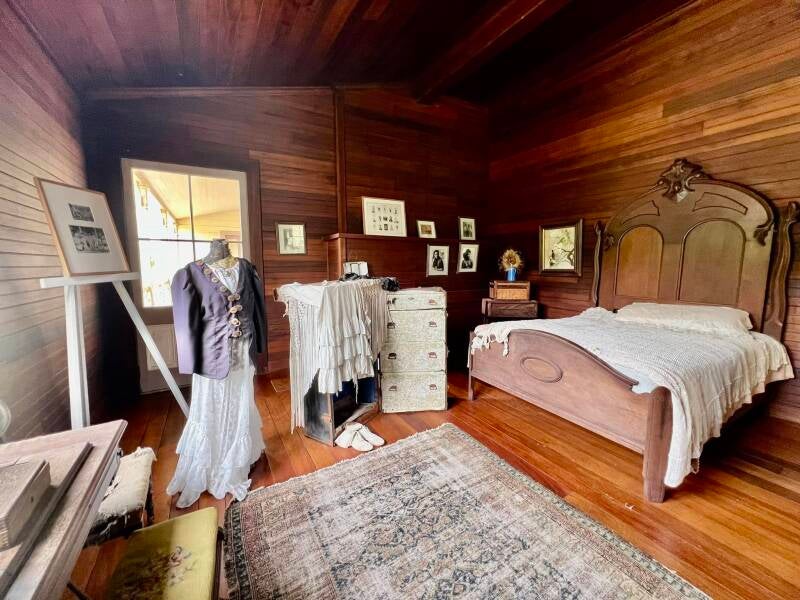
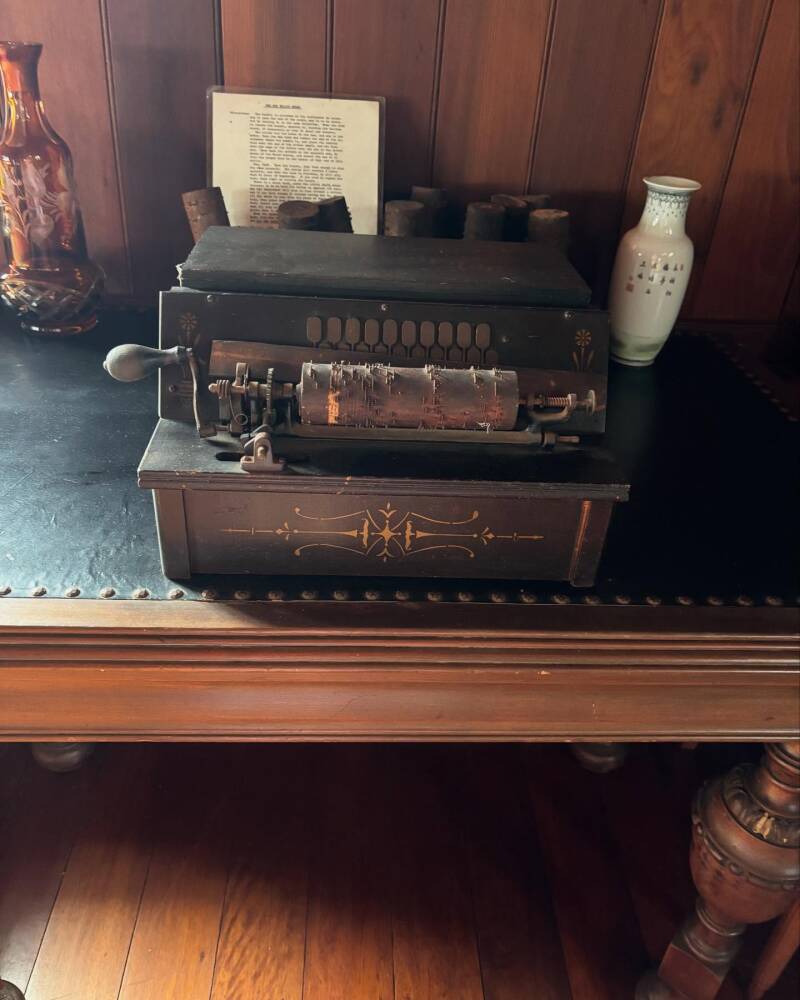
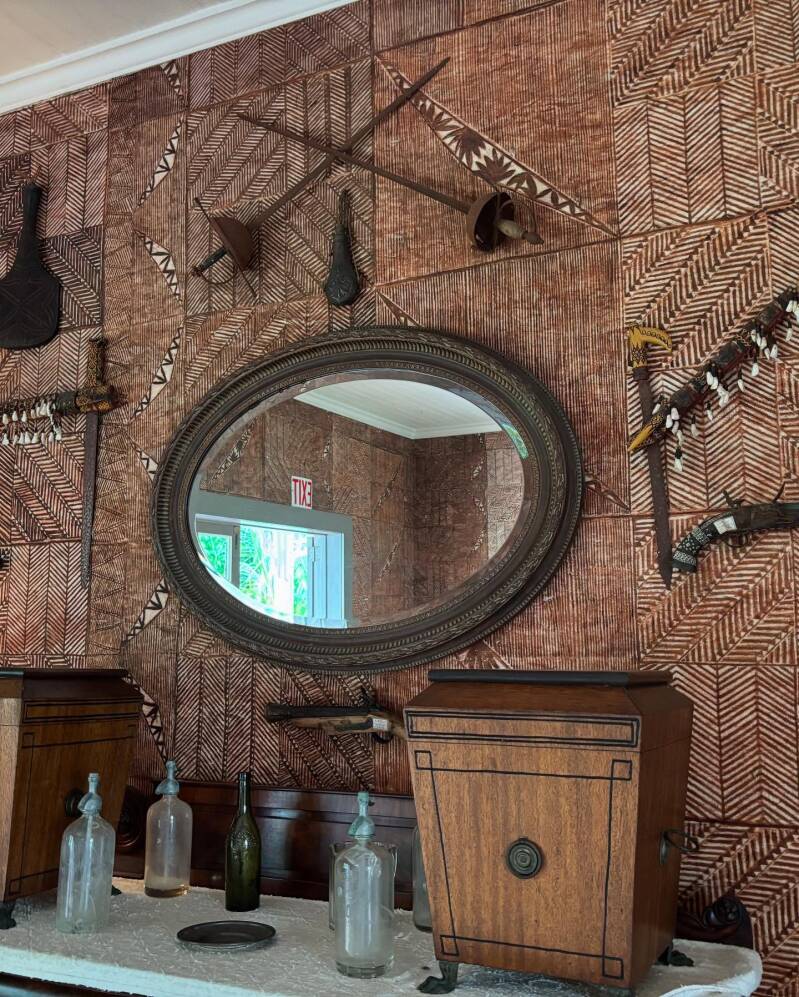
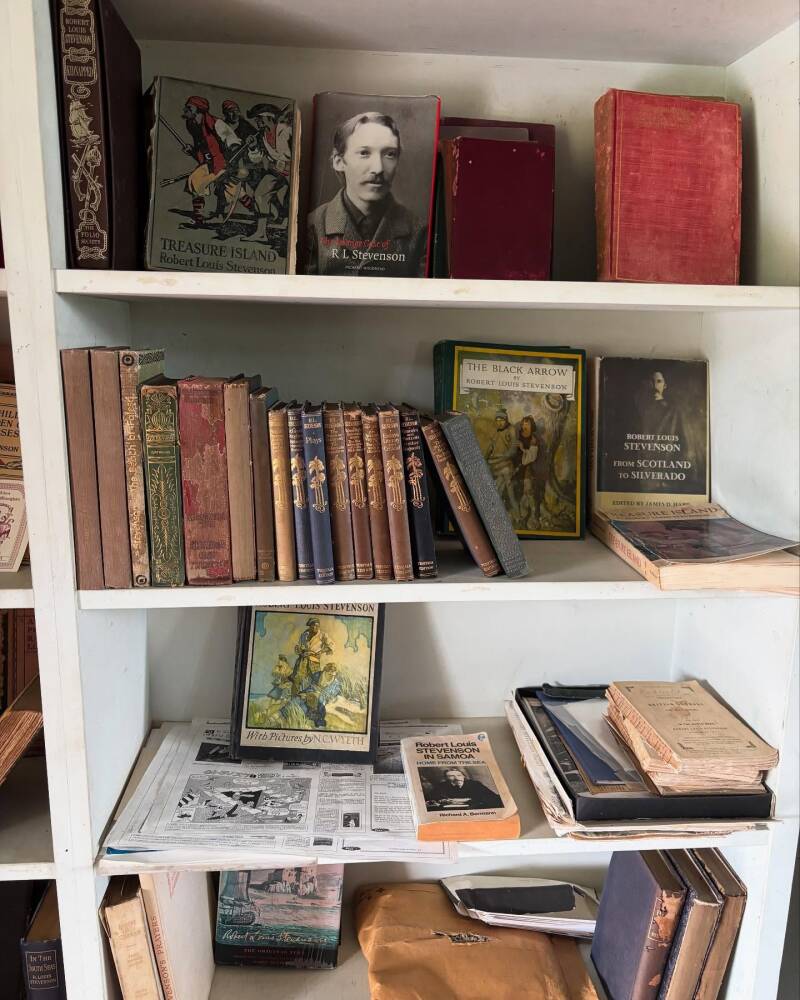
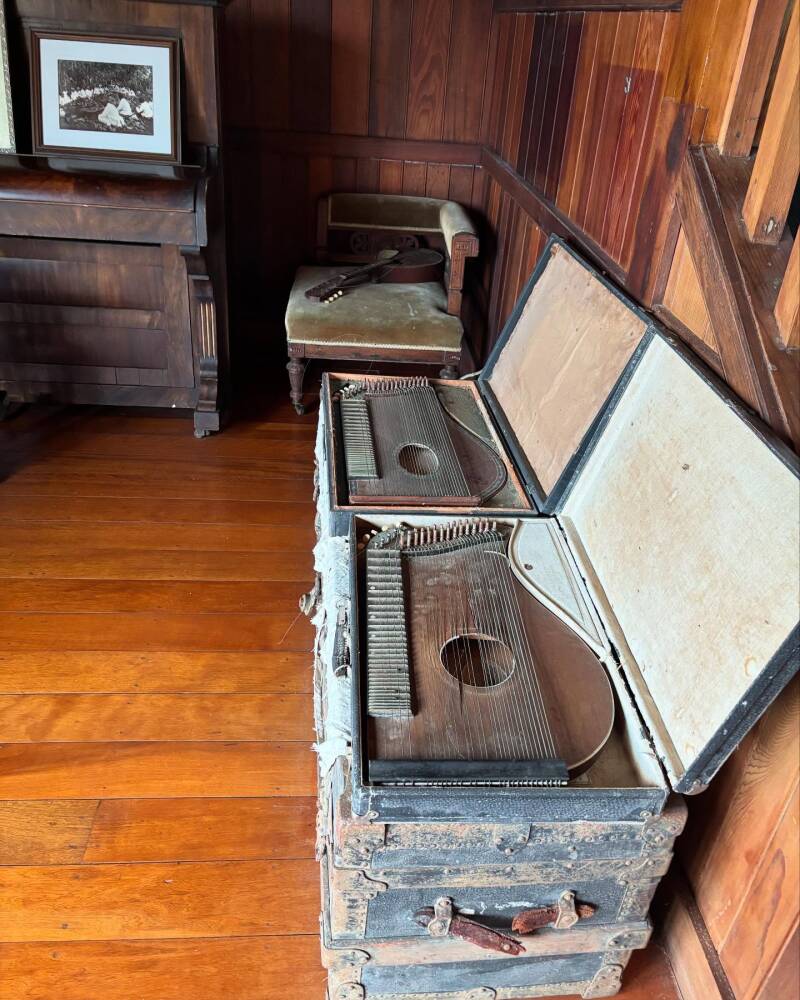
Robert Louis Stevenson Song, "Under The Wide and Starry Sky" "I Lalo o le Lagi ma Fetu" with English and Samoan subtitles
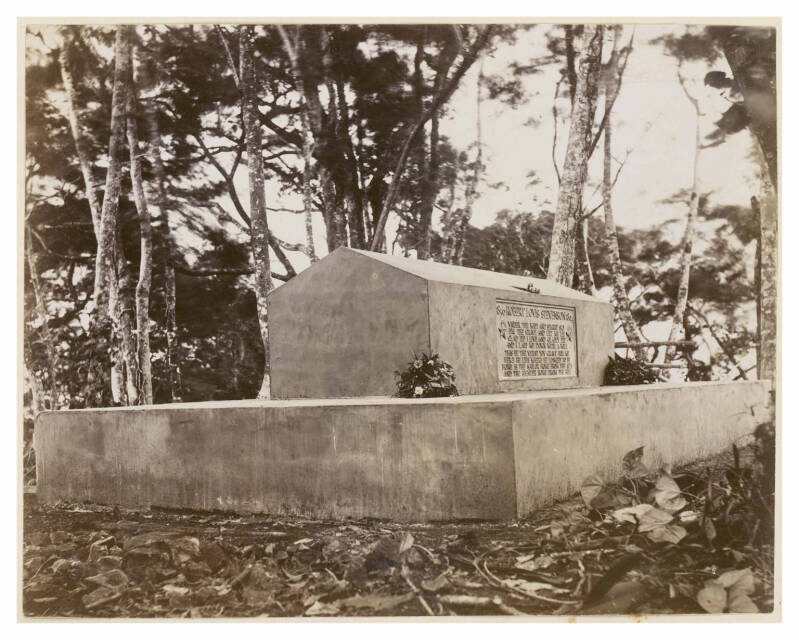
Credit to Karl Netzlet for Robert Louis Stevenson's tomb Drone footage on Mount Vaea in Samoa.
Music Produced by Melissa Mara 🔔 Subscribe to G-VAI Production Films for more: https://www.youtube.com/c/GVAIsProduc...
He sailed to a Pacific island to die—and instead found four years of perfect life before his brain betrayed him at 44.
December 3, 1894. Samoa.
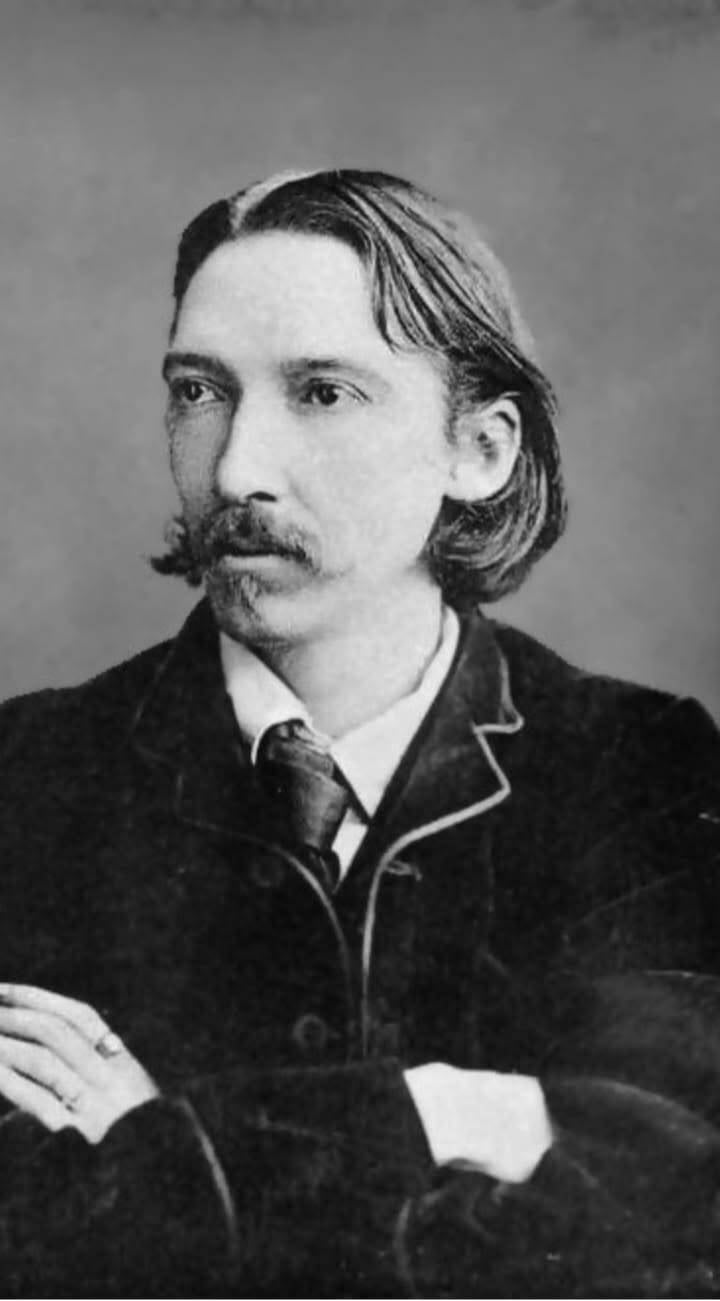
Robert Louis Stevenson was writing at his desk.
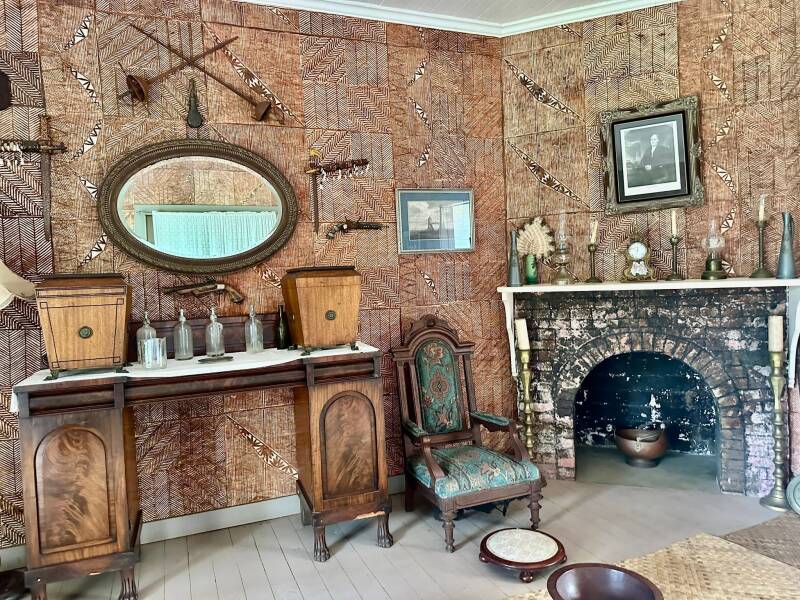
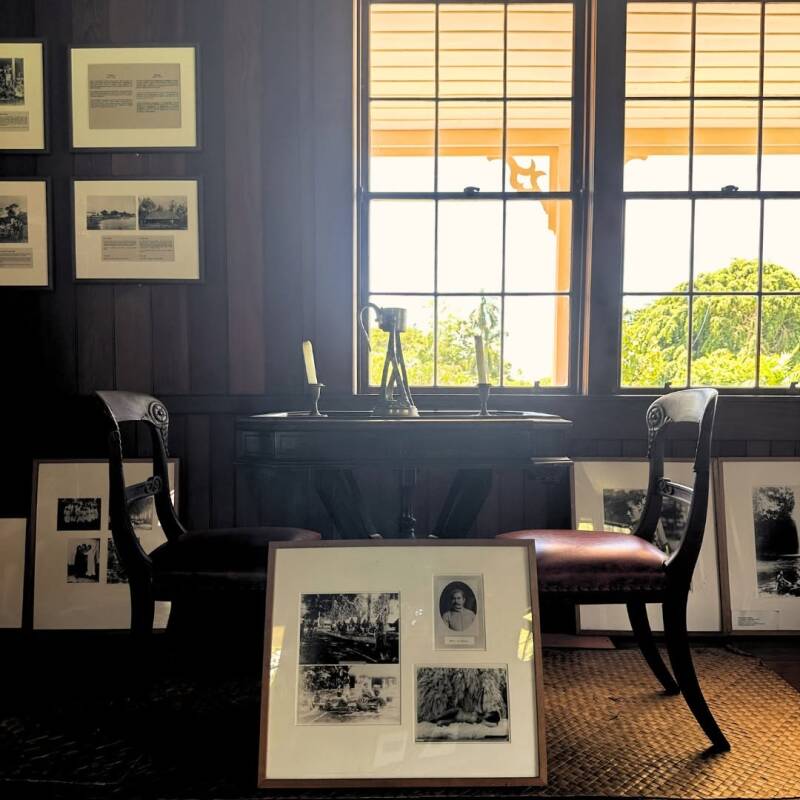
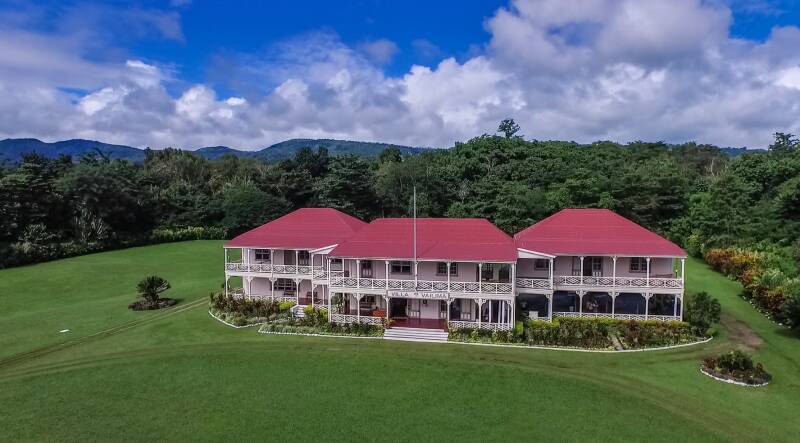
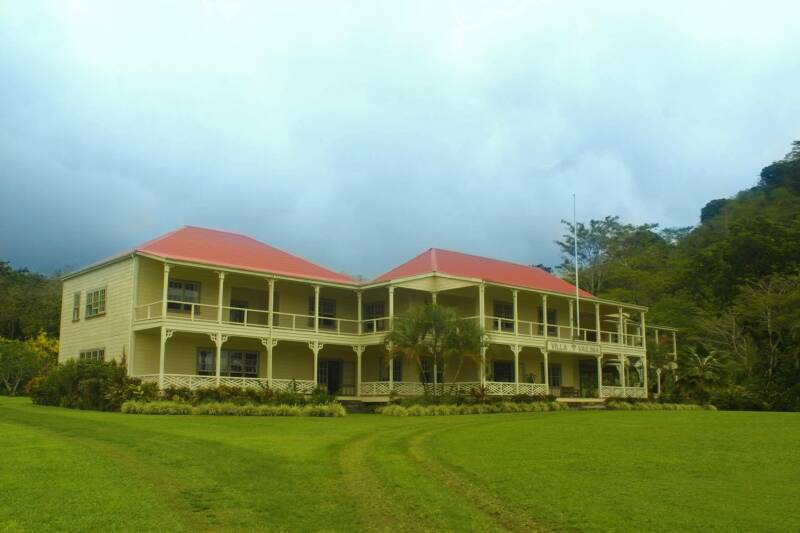
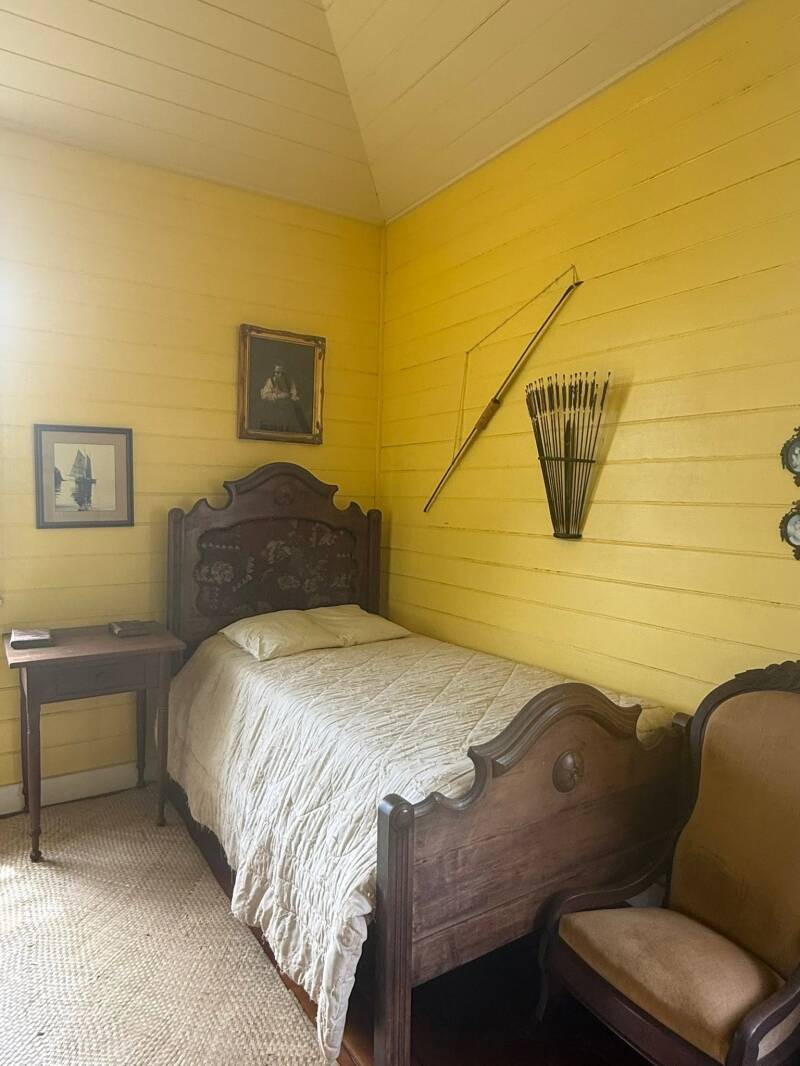
The afternoon heat pressed through the windows of Vailima, his plantation home.
He was in the middle of a sentence.
He was working on "Weir of Hermiston," a novel he believed would be his masterpiece.
His wife Fanny was in the garden.
Suddenly, Robert stood up.
He reached for his head.
"What's that?" he said. "What's wrong? Is this a dream?"
Then he collapsed.
A brain hemorrhage.
Sudden. Massive. Irreversible.
He died two hours later, never regaining consciousness.
He was 44 years old.
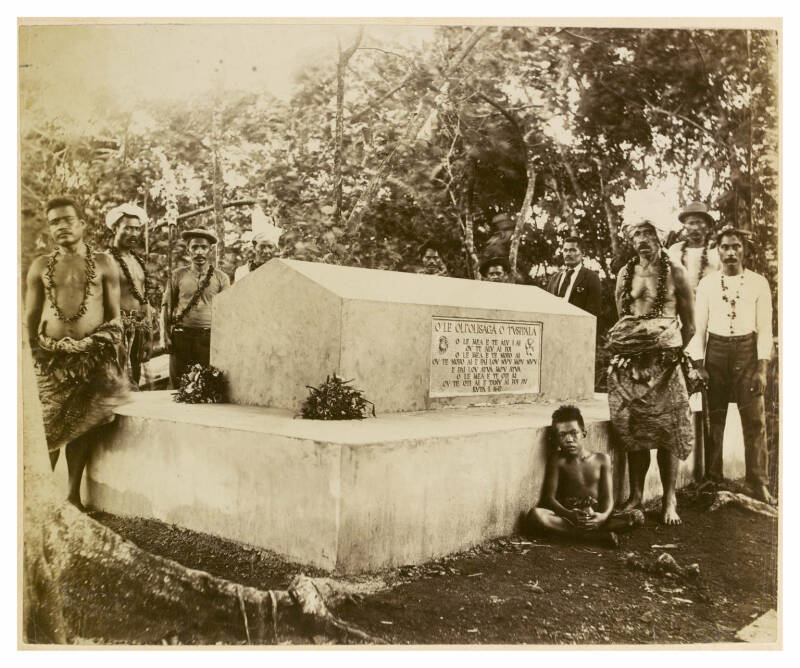
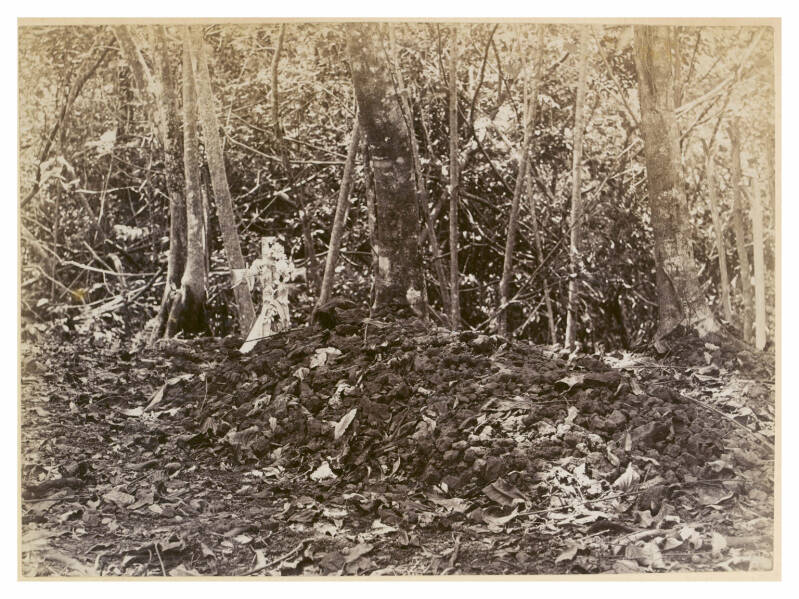
The Samoan chiefs who loved him carried his body up Mount Vaea.
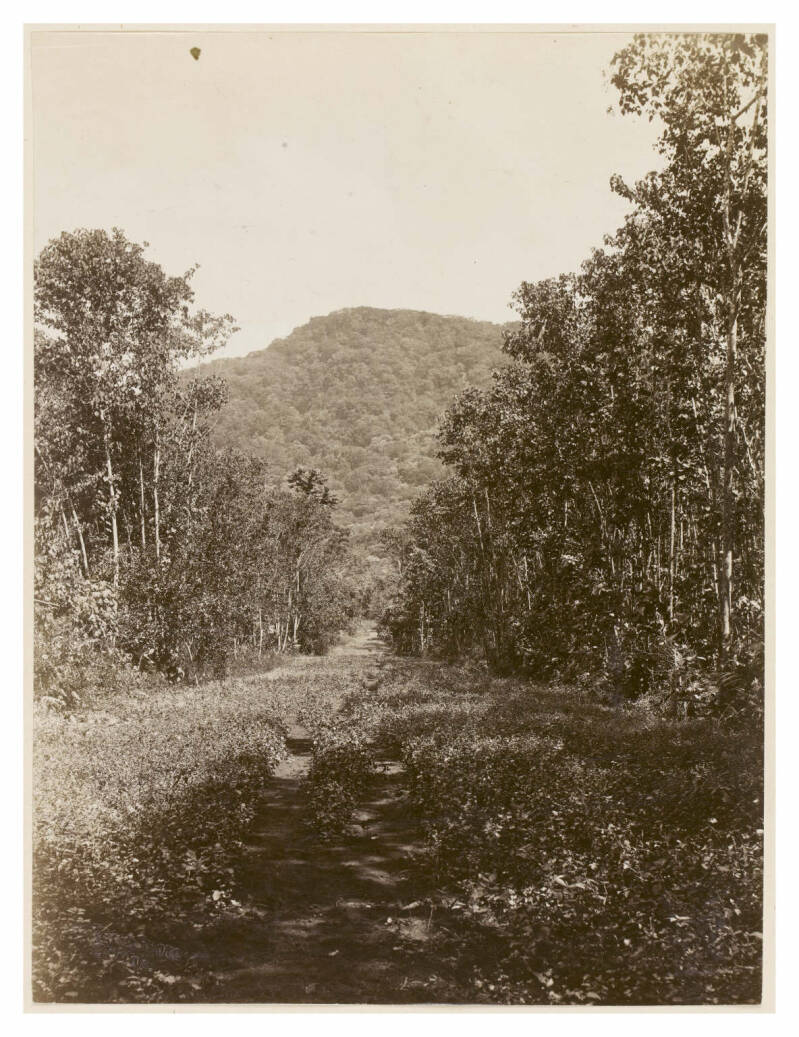
They cut a path through the jungle with their own hands.
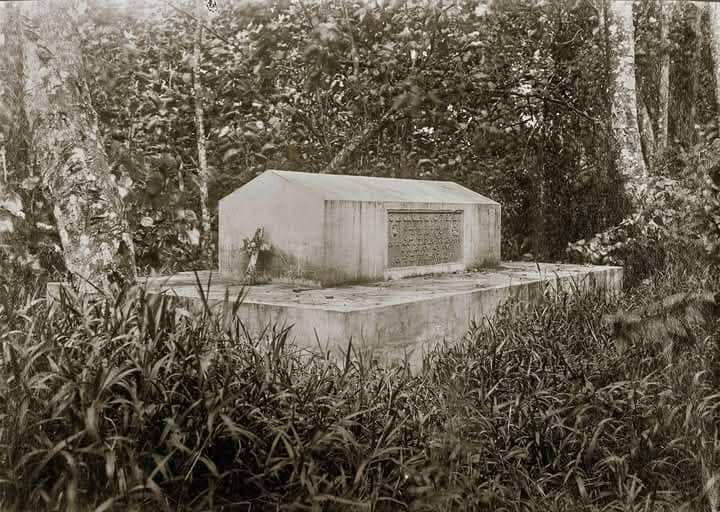
They buried him at the summit, facing the sea.
On his tomb, they carved the words he had written years before:
"Home is the sailor, home from sea, and the hunter home from the hill."
Robert Louis Stevenson was supposed to die decades earlier.
He had been sick his entire life.
As a child in Edinburgh, Scotland, he spent months in bed.
His lungs were weak. His body was frail.
Doctors told him he wouldn't reach adulthood.
But Robert had something stronger than his lungs.
He had imagination.
While other children played outside, Robert created worlds.
He wrote stories of pirates and treasure.
He invented islands that didn't exist.
He dreamed of adventures his body couldn't have.
By his twenties, doctors gave him a new diagnosis: tuberculosis.
They told him to find a warmer climate or die.
So Robert Louis Stevenson became a traveler.
Not because he wanted to.
Because his lungs demanded it.
He chased warm air across Europe.
He sailed to California.
He married Fanny Osbourne, an American woman ten years older with two children.
He kept writing.
In 1883, he published "Treasure Island."
The book that made Long John Silver famous.
The book that invented the pirate we still picture today.
One-legged. Cunning. Unforgettable.
In 1886, he published "Strange Case of Dr Jekyll and Mr Hyde."
He wrote it in three days during a fevered dream.
Burned the first draft when his wife said it wasn't right.
Rewrote the entire thing in another three days.
The book became a sensation.
The story of man's dual nature—good and evil in one body.
Na malaga o ia i se motu i le Pasefika e fa‘atali ai lona maliu—ae na maua ai tausaga e fa o se olaga matagofie atoatoa, a‘o le‘i fa‘aletonu lona fai‘ai a‘o 44 ona tausaga.
Tesema 3, 1894. Samoa.
Sa tusitusi Robert Louis Stevenson i lana kesi.
Sa lagona le vevela o le aoauli e ui mai i fa‘amalama o Vailima, o lona fale i le fanua.
Sa i ai o ia i le ogatotonu o se fuaiupu.
Sa galue o ia i le tusi "Weir of Hermiston," o se tala fatu na ia talitonu o le a avea ma ana galuega sili ona lelei.
Sa i ai lana ava o Fanny i le togāla‘au.
Fa‘afuase‘i lava, ona tula‘i lea o Robert.
Sa ia tago atu i lona ulu.
"O le ā lenā?" o lana tala lea. "O le ā le fa‘afitauli? Pe o se miti ea lenei?"
Ona pa‘ū lea o ia i lalo.
O se toto na tafe i totonu o le fai‘ai.
Sa fa‘afuase‘i. Sa ogaoga. E le mafai ona toe fa‘aleleia.
Na maliu o ia i le lua itula mulimuli ane, e aunoa ma le toe maua o lona mafaufau.
E 44 ona tausaga.
O ali‘i sili o Samoa sa alolofa ia te ia na latou tauaveina lona tino i luga o le Mauga o Vaea.
Na latou tatalaina se auala i le vaomatua i o latou lava lima.
Na latou tanuina o ia i le tumutumu o le mauga, e fa‘asaga atu i le sami.
I luga o lona tu‘ugamau, na latou vaneina ai upu na ia tusia i tausaga ua mavae:
"Ua taunu‘u i le fale le tagata folau, ua fo‘i mai le sami, ma le tagata tuli manu ua fo‘i mai le mauga."
Sa tatau ona maliu Robert Louis Stevenson i le tele o tausaga ua mavae atu.
Sa ma‘i o ia i lona olaga atoa.
A‘o tamaitiiti i Edinburgh, Sikotilani, sa tele masina na ta‘oto ai o ia i le moega.
Sa vaivai ona mama. Sa vaivai lona tino.
Na ta‘u atu e foma‘i ia te ia e lē o‘o o ia i le matua.
Ae sa i ai ia Robert se mea e sili atu le malosi nai lo ona mama.
Sa i ai lona tomai e mafaufau loloto ma fatu ai mea fou (imagination).
A‘o ta‘a‘alo isi tamaiti i fafo, sa fatuina e Robert ni lalolagi fou.
Sa ia tusia tala e uiga i tagata fa‘omea i le sami ma oa natia.
Sa ia fatuina ni motu e le‘i i ai moni.
Sa ia miti i ni malaga fa‘afiafia e lē mafai e lona tino ona faia.
A‘o o‘o i le vaitausaga e luasefulu ona tausaga, na maua ai o ia i se ma‘i fou e foma‘i: o le ma‘i mama (tuberculosis).
Na latou ta‘u atu ia te ia e sa‘ili se nofoaga e mafanafana le tau, a leai o le a maliu o ia.
O lea na avea ai Robert Louis Stevenson ma tagata malaga.
E lē ona sa ia mana‘o ai.
Ae ona sa mana‘omia e ona mama lea tulaga.
Sa ia sailia le tau mafanafana i Europa atoa.
Sa ia folau atu i Kalefonia.
Sa ia fa‘aipoipo ia Fanny Osbourne, o se tama‘ita‘i Amerika e sefulu tausaga e matua atu ia te ia ma e to‘alua lana fanau.
Sa fa‘aauau pea lana tusitusi.
I le 1883, na ia lolomiina ai le tusi "Treasure Island." O le tusi na lauiloa ai Long John Silver.
O le tusi na fatuina le faomea o loo tatou vaaia pea i le asō.
Tasi le vae. Togafiti. E lē mafaagaloina.
I le 1886, na ia lolomiina ai le "Strange Case of Dr Jekyll and Mr Hyde."
Na ia tusia i aso e tolu a o miti malosi.
Na susunuina le uluai tusitusiga ina ua fai mai lana ava e le sa'o.
Na toe tusia le mea atoa i aso e tolu.
Na avea le tusi ma se tala mata'ina.
O le tala i le natura lua o le tagata—lelei ma le leaga i le tino e tasi.
It wasn't just a story.
It was a mirror.
He published "Kidnapped." "The Master of Ballantrae." Dozens of essays.
He became famous.
But his lungs were failing.
In 1888, doctors told him the truth: you have maybe a year.
Find the warmest climate possible. Stop working. Rest.
Robert Louis Stevenson did not rest.
He chartered a yacht.
He sailed to the South Pacific with his family.
He told everyone he was going there to die.
He wanted to die somewhere beautiful.
He wanted to see the world one last time.
But something unexpected happened.
The warm Pacific air strengthened him.
The sea breezes cleared his lungs.
For the first time in his life, Robert Louis Stevenson felt healthy.
He sailed from island to island.
He met the people the world called "savages."
He found them wise, kind, and dignified.
He wrote about their cultures with respect when the rest of the Western world wrote with contempt.
In 1890, he bought land in Samoa.
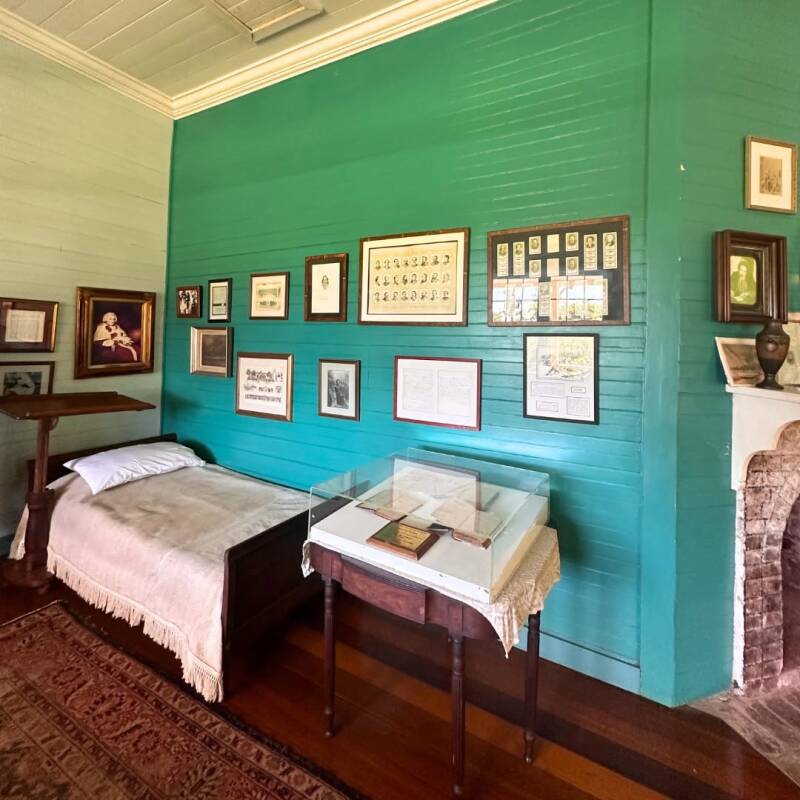
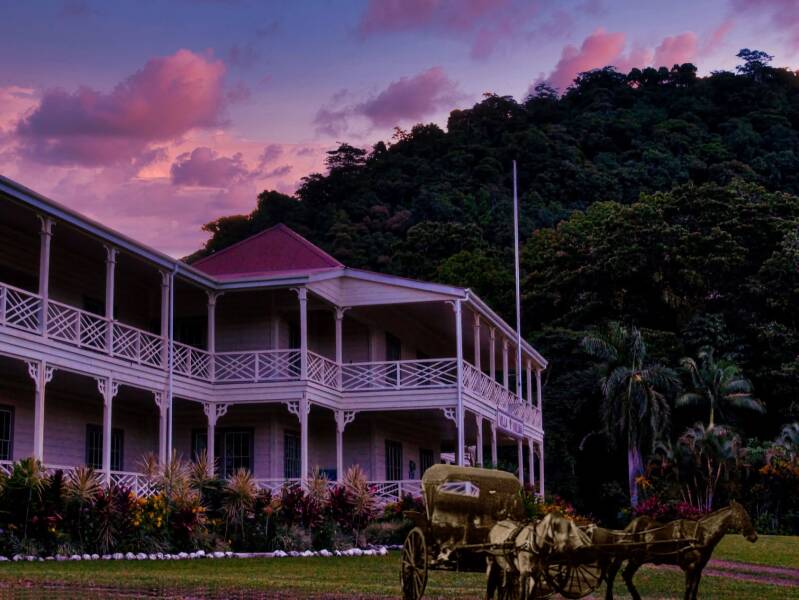
He built Vailima—"five rivers"—a plantation home.
He planted crops. He hired local workers. He became part of the community.
The Samoans called him "Tusitala"—the teller of tales.
They loved him.
He defended them against colonial injustice.
He wrote letters to newspapers exposing how European powers were carving up their islands.
He stood with them when their chiefs were imprisoned.
The Samoan people adopted him as their own.
For four years, Robert Louis Stevenson lived the life his doctors said was impossible.
He woke with the sun.
He worked on his novels in the morning.
He walked his plantation in the afternoon.
He hosted dinners with visiting writers and local chiefs.
He was happy.
His wife Fanny later said those four years were the only time she ever saw him truly well.
The only time he wasn't fighting his body.
E le'i na'o se tala masani.
Sa pei o se fa'ata.
Na ia lolomiina tusi e pei o le "Kidnapped" ma le "The Master of Ballantrae," fa'apea le tele o tusitusiga eseese.
Na lauiloa tele o ia.
Ae sa fa'aletonu lona soifua maloloina ona o le vaivai o ona mama.
I le 1888, na ta'u atu ai e foma'i le mea moni: e tasi lava le tausaga o totoe o lona ola.
Ia sa'ili se nofoaga e mafanafana le tau. Ia taofi le galue. Ia malolo.
Ae e le'i malolo Robert Louis Stevenson.
Na ia totogiina se va'a tele (yacht).
Na malaga o ia i le Pasefika i Saute fa'atasi ma lona aiga.
Na ia ta'u atu i tagata uma o le a alu o ia iina e maliu ai.
Sa ia mana'o e maliu i se nofoaga matagofie.
Sa ia mana'o e va'ai i le lalolagi mo le taimi mulimuli.
Ae sa tupu se mea e le'i fa'amoemoeina.
O le ea mafanafana o le Pasefika na fa'amalosia ai o ia.
O savili o le sami na fa'amamāina ai ona mama.
Mo le taimi muamua i lona olaga, na lagona ai e Robert Louis Stevenson le malosi ma le soifua maloloina lelei.
Na ia folau atu mai le tasi motu i le isi motu.
Na feiloa'i o ia ma tagata na ta'ua e le lalolagi o ni "tagata vao" (savages).
Na ia iloa ai o i latou o ni tagata popoto, agalelei, ma e iai le mamalu.
Na ia tusia ni tala e uiga i a latou aganu'u ma le fa'aaloalo, a'o isi vaega o le lalolagi i Sisifo sa tusia tala ma le fa'atauva'a.
I le 1890, na ia fa'atauina ai se fanua i Samoa.
Na ia fausia le fale e ta'ua o Vailima—o lona uiga o "vaitafe e lima"—o se fale tele i totonu o se fa'ato'aga.
Sa ia totoina fa'ato'aga. Sa ia fa'afaigaluegaina tagata o le nu'u. Na avea o ia ma vaega o le nu'u.
Na fa'aigoa o ia e tagata Samoa o "Tusitala."
Sa latou alolofa tele ia te ia.
Sa ia puipuia i latou mai faiga lē tonu a malo fa'akolone.
Sa ia tusia ni tusi i nusipepa e fa'aalia ai le auala o lo'o vaevaeina ai e malo o Europa o latou motu.
Sa ia lagolagoina i latou ina ua fa'afalepuipui o latou ali'i.
Na talia o ia e tagata Samoa e pei o se tasi o i latou.
Mo le fa tausaga, sa ola ai Robert Louis Stevenson i se olaga na fai mai foma'i e le mafai ona tupu.
Sa ala o ia i le oso a'e o le la.
Sa ia tusia ana tala i le taeao.
Sa savalivali o ia i lana fa'ato'aga i le aoauli.
Sa ia talimalo i taumafataga fa'atasi ma tusitala na asiasi mai fa'apea ali'i o le nu'u.
Sa fiafia o ia.
Na ta'ua mulimuli ane e lona faletua o Fanny, o na tausaga e fa, na o le pau lea o le taimi na ia va'aia ai o ia o lo'o soifua maloloina lelei atoatoa.
O le taimi pau lea e le'i tauivi ai o ia ma lona lava tino.
The only time he could just live.
On December 3, 1894, he was 44 years old and in the best health of his life.
He had defied every doctor's prediction.
He had outlived every timeline.
He had sailed to Samoa to die and instead found home.
Then his brain hemorrhaged.
Two hours. That's all it took.
One moment writing a sentence.
The next moment gone.
When the Samoan chiefs heard the news, they wept.
They insisted on carrying his body themselves.
They refused to let anyone else touch Tusitala.
Sixty men cut a path up Mount Vaea with machetes and their hands.
They carried his coffin to the summit.
They buried him facing the ocean he had sailed.
The ocean that had saved him.
The ocean that had given him four years of life he wasn't supposed to have.
Robert Louis Stevenson wrote some of the most famous adventure stories in English literature.
But his greatest adventure was his own life.
A sick child who became a world traveler.
A dying man who sailed to paradise and got better.
A writer who created pirates and monsters and treasure maps—but whose real treasure was four years of health and happiness on an island halfway across the world.
He published 13 novels.
Dozens of short stories.
Collections of poetry and essays.
He created Long John Silver and Dr. Jekyll and Mr. Hyde.
He invented the adventure story as we know it.
But what Robert Louis Stevenson really proved was this:
You don't measure a life in years.
You measure it in moments when you're fully alive.
He had 44 years.
Most of them sick.
Four of them healthy.
And in those four years, he lived more fully than most people do in eighty.
He died mid-sentence.
Working on a novel he believed would be his best.
Still creating. Still imagining. Still writing.
Home is the sailor, home from sea.
Robert Louis Stevenson sailed further than his lungs should have allowed.
He lived longer than his doctors predicted.
He found home on an island where he went to die.
And when death finally came, it came quickly.
Not from the tuberculosis that haunted him his whole life.
But from his brain, in an instant, while he was doing what he loved.
The Samoans built a road to his tomb.
They called it "The Road of the Loving Heart."
They still visit it today.
Still telling stories about Tusitala.
The man who came to their island dying and lived four years of perfect life.
The man who saw them as equals when the world saw them as less.
Na o le pau le taimi na mafai ai ona ola.
I le aso 3 o Tesema, 1894, ua 44 tausaga o lona soifua ma ua sili ona lelei lona soifua maloloina.
Sa ia tetee i taumatematega uma a fomai.
Sa ola o ia i taimi uma.
Na folau i Samoa e maliu ae toe maua lona aiga.
Ona tafetotoi lea o lona fai'ai.
Lua itula. Na pau lava lena.
Tasi le taimi e tusi ai se fuaiupu.
Ua alu le isi taimi.
Ina ua faalogo matai o Samoa i lea tala, ona fetagisi ai lea.
Sa latou tausisi pea e tauave e i latou lava lona tino.
Sa latou mumusu e tuu atu se isi e pa’i atu ia Tusitala.
E to'aonosefulu tagata na tipiina se ala i luga o le Mauga o Vaea i sapelu ma o latou lima.
Sa latou aveina lona pusa maliu i le tumutumu.
Sa latou tanumia o ia e faasaga i le sami sa ia folau ai.
O le vasa na faasaoina ai o ia.
O le vasa na ia maua ai le fa tausaga o lona olaga e le tatau ona ia maua.
Na tusia e Robert Louis Stevenson nisi o tala sili ona taʻutaʻua i tala faʻaPeretania.
Ae o lana malaga sili o lona lava olaga.
O se tamaitiiti ma'i na avea ma tagata malaga i le lalolagi.
O se tagata ua oti na folau atu i le parataiso ma toe malosi.
O se tusitala na ia faia ni tagata faomea ma sauʻai ma faafanua o oa—ae o lana oa moni o le fa tausaga o le soifua maloloina ma le fiafia i luga o se motu i le afa o le lalolagi.
Na ia lomia tala e 13.
Le tele o tala pupuu.
Aoina o solo ma tala.
Na ia faia ia Long John Silver ma Dr. Jekyll ma Mr. Hyde.
Na ia fatuina le tala faʻataʻavalevale e pei ona tatou iloa.
Ae o le mea moni na faamaonia e Robert Louis Stevenson o lenei:
E te le fuaina se olaga i tausaga.
E te fuaina i taimi e te ola atoatoa ai.
Sa 44 ona tausaga.
O le to'atele o i latou e mama'i.
E toafa o latou soifua maloloina.
Ma i na tausaga e fa, sa sili atu lona ola atoatoa nai lo le tele o tagata i le valusefulu.
Na maliu o ia i le ogatotonu o le faasalaga.
O le galue i se tala na ia talitonu o le a sili ona lelei.
Fausia pea. Mafaufau pea. O loo tusitusi pea.
O le aiga o le tautai, o le aiga mai le sami.
Na folau mamao atu Robert Louis Stevenson nai lo le mea sa tatau ona faatagaina e ona māmā.
Na umi atu lona soifua nai lo le mea na valoia e ana fomaʻi.
Sa ia maua lona aiga i se motu na alu atu ai e oti.
Ma ina ua oo mai le oti, sa vave ona oo mai.
E le mai le ma'i mama'i lea na afaina ai lona olaga atoa.
Ae mai lona faiʻai, i se taimi vave, a o ia faia le mea sa ia fiafia i ai.
Sa fausia e tagata Samoa se auala i lona tuugamau.
Na latou faaigoaina "O le Auala o le Loto Alofa."
Latou te asiasi atu pea i ai i aso nei.
O lo'o fa'amatala pea tala e uiga ia Tusitala.
Le tagata na sau i lo latou motu ua maliu ma ola i le fa tausaga o le olaga atoatoa.
O le tagata na vaai ia i latou e tutusa ina ua vaai le lalolagi ia i latou e faatauvaa.
The man who wrote adventure stories but lived the greatest adventure of all.
Forty-four years.
Four years of health.
One moment of collapse.
And a legacy that lasted forever.
Home is the sailor, home from sea.
And the hunter home from the hill.
O le tamāloa na tusia tala fa'afiafia ma le tumu i fa'alavelave mata'ina, ae sa soifua o ia lava i le tala sili ona mata'ina o mea uma.
E fasefulu-fa tausaga.
E fa tausaga o le soifua maloloina lelei.
O se taimi e tasi na pa'ū ai ma lē toe mafai ona tula'i.
Ma se talatu'u na tumau e fa'avavau.
Ua toe fo'i le tagata folau i le fale, ua fo'i mai le sami.
Ma ua toe fo'i le tagata tuli manu mai mauga.