

MOTU O MANONO
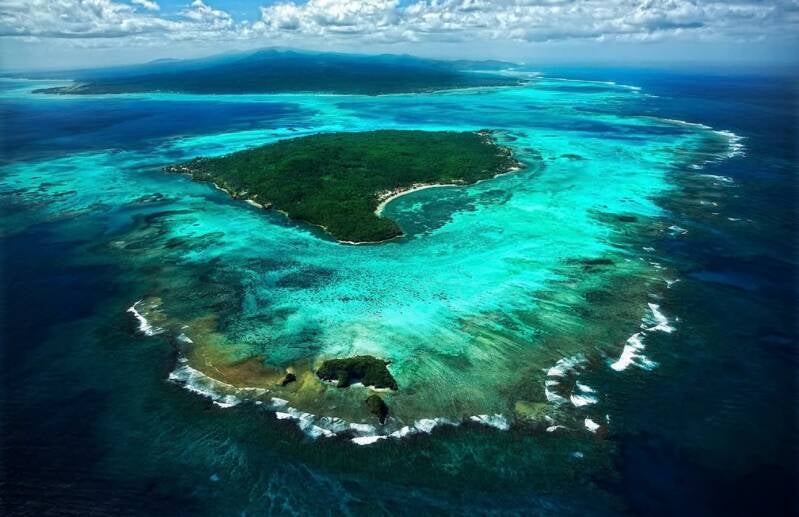
PC: Samoa Tourism
MANONO-TAI/MANONO-UTA
O ona pō ia ‘a ’o tū ai le mālō iā Lei'ātaua Lelologa i Manono, ‘a ’o fa'asavali le malaga a lenei ali'i toa lauiloa iinā ona pō ‘o Sāmoa i le motu o Salāfai, na afe ai lo latou va'a i Vaoto ina ua fia maua se vai ‘e inu. Ona alu a’e lea i uta le atali'i o Lei'ātaua ‘e utu vai, ina ua uma ona utu palevai, ona pese ‘e'ē ai lea i le vai ma ‘avea lana pese ma fa'asoesā i le nu'u, ma ua latou laga mai loa ma fasi le tama.
Ua iloa mai lea ‘e i latou sa i le va'a, ona latou laga mai lea i uta ma ua tau loa le taua ma le nu'u o Vaoto. Ua o'o ai ina tulia ‘au a Vaoto, ae mālō Lei'ātaua ma lana ‘aumalaga. Sa iloga le mata'alia o le tama lenei ma ‘o lona igoa o Fogatia, ma ‘ua fiafia ai lava le finagalo ‘o lona tamā o Lei'ātaua. Ona fa'apea atu lea o Lei'ātaua, “se fa'afetai ua iloga lou tū malosi i puapuagā o Lei'ātaua, ‘ae sau o le ‘a tu'u lou igoa ‘o Fogatia ‘ae ‘o le ‘a ‘e igoa iā Tuipuapuagā ‘o Lei'ātaua ma ‘o le ‘ā ‘e nofo iinei i Vaoto ‘e pine fa'amau ai lo tatou manumālō ‘ae o le ‘a ‘ou fo’i i Manono. A i ai ni aso ‘e ōmai ai la'u fanau iā te oe, ‘ia ‘e alofa i ai auā ‘e tua vale Manono. Na usu ai lea ‘o le tama lenei, ua fa'apu'upu'u lona igoa iā Puagā, ua usu iā Sinasauali'i le afafine o Tuisafua, ona maua ai lea ‘o le fanau ‘e to'atolu, e to'alua tama ma le teine.
O le tama matua na fa'aigoa iā Pese, ‘e fa’amanatu ai le pese ‘a le tama lea na mafua ai le taua.
O le tama lona lua na fa'aigoa iā Tauvaotomamanono ‘e fa'amanatu ai lea taua i le vatau ai o Vaoto ma Manono
O le teine na fa'aigoa iā Vaitanu e fa'amanatu ai le tanuga o le vai lea ‘e le tama lava lenei o Puagā.
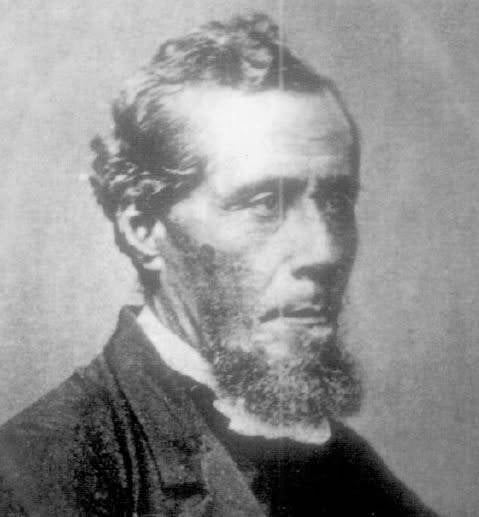
REV. BARNABAS (PANEPASA) KAVAMOELOLO AHONGALU
(1810–1881)
Pānepasa 'Ahongalu was born in Vava'u in 1810. His Tongan name was Kavamoelolo. On 4 January 1829, he was one of only seven baptised by Turner and Cross — the "first fruits of the Gospel" in Tonga. At his baptism he took the biblical name Barnabas — Pānepasa — meaning "son of encouragement."
In 1835 he volunteered to go with Mr. Turner to Samoa. They arrived on the island of Manono on 18 June 1835. When the Wesleyan Mission closed in 1839 and all Tongan missionaries were called home, 'Ahongalu stayed. In 1851, Tāufa'āhau directed all remaining Tongan teachers to leave Samoa without delay. 'Ahongalu stayed again. Every time he was called home, he returned to Samoa.
The book calls him the most outstanding Wesleyan missionary to Samoa and the longest serving from Tonga. In 1858 the Conference appointed him Assistant Missionary — the highest position given to any island teacher in the 19th century. Fineaso T. Fa'alafi called him the "John the Baptist" of the church in Samoa and the "Star of Tonga."
Mr. Dyson wrote: "He was a firm and rugged brother, and like a rock, he remained unchanged in storms. He is now 65 years of age, and is without a stain upon his character."
Pānepasa 'Ahongalu died on the evening of 9 May 1881 in his 71st year, after more than 40 years of faithful service. He is buried at Manono and his memorial stone still stands today. Dr. Brown later visited his grave and wrote: "Words cannot express the loving memories of the past."
'Ahongalu has descendants in both Samoa and Tonga. His closest relative in Tonga is Noble Ma'afu Tukui'aulahi of Vaini.